Sign Up
elonmusk
14 people talking about this
Thanks for the tip
Amarachi Okonkwo
Offline
about an hour ago
Copy Post URL
Open in a new tab
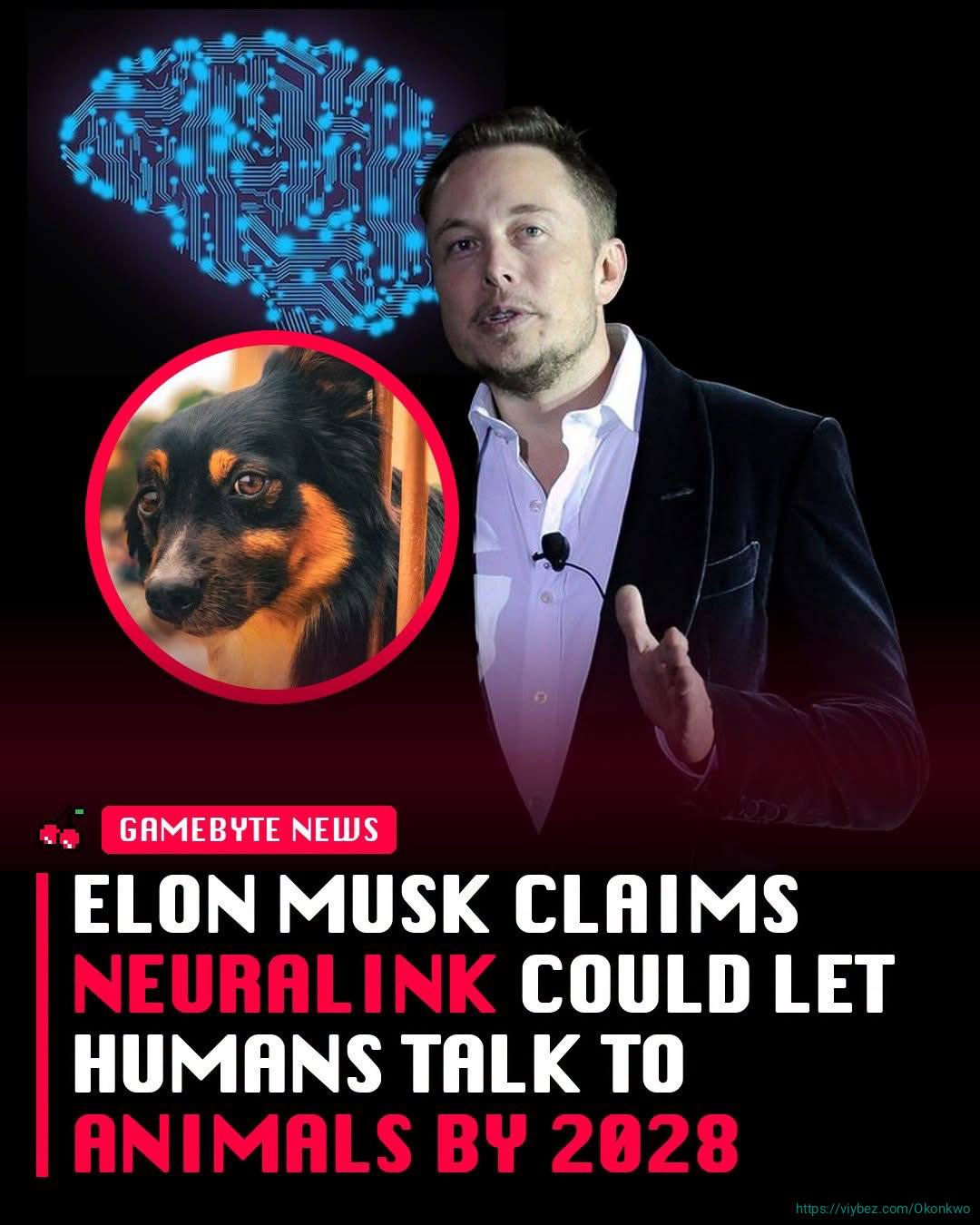
🍒 Elon Musk reckons your dog might be able to talk back to you in just a couple of years 🐶

The Tesla boss has suggested Neuralink could eventually let humans communicate with animals, putting a rough 2028 date on it.

There's no detail yet on how that would actually work, and Musk's timelines have a habit of slipping, so we'd take this one with a big pinch of salt 🧂

Still, the idea of finally finding out what your cat really thinks of you is equal parts exciting and terrifying 😅

#ElonMusk
Thanks for the tip
Michael Loria
Offline
yesterday
Copy Post URL
Open in a new tab
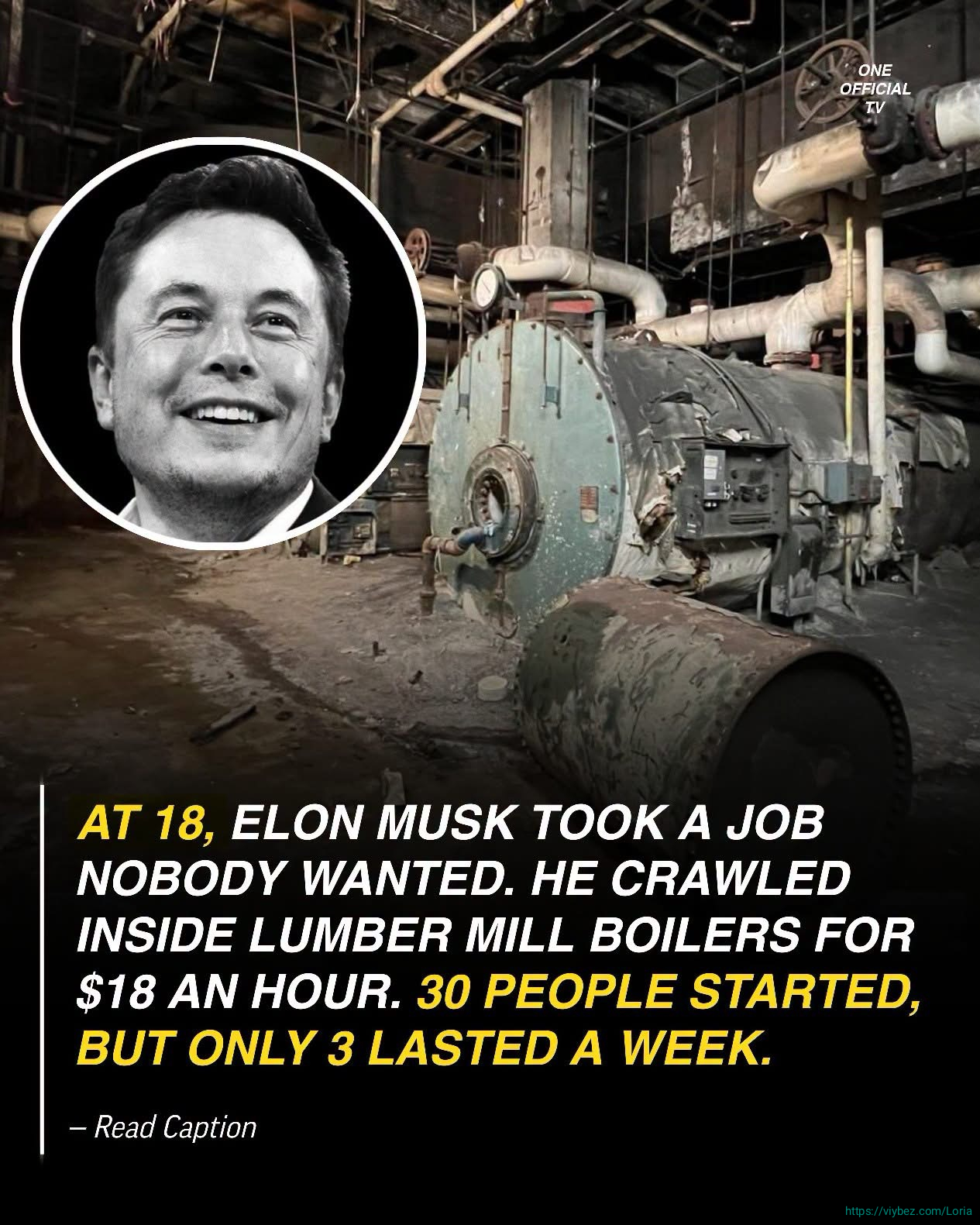
About 30 people started the job that week.

By the third day, only five were left. By Friday, just three remained.

One of them was 18-year-old Elon Musk from South Africa.

Most people know Musk for rockets, billion-dollar companies and plans to reach Mars.

But there is a backstory most people rarely see.

Behind the fame and titles is a man who doesn't just survive difficult situations. He walks toward them.

Arriving in Canada With Just C$2,500

In June 1989, at 17, Musk arrived in Montreal with about C$2,500.

Part of the money came from his mother, Maye, who had cashed out a stock account she opened years earlier with money from a beauty contest she had won.

His plan was to stay with his mother's uncle. But while Elon was on the plane, his uncle moved to Minnesota.

His first plan was already gone before he landed.

He didn't turn back. He checked into a youth hostel and shared a room with five strangers.

A week later, he bought a $100 Greyhound pass that allowed him to travel anywhere in Canada for six months.

He headed to a wheat farm in Saskatchewan, more than 1,700 miles away, to find Mark Teulon, a second cousin he had never met.

Along the way, the bus driver unloaded his suitcase, which contained his clothes and traveler's checks.

All he had left was a backpack full of books.

When he reached a town near the farm, he used the change in his pocket to make one phone call.

"Hey, it's Elon, your cousin from South Africa."

They took him in.

He cleaned grain bins, helped build a barn and turned 18 there. His birthday cake had one simple message written in chocolate icing:

"Happy Birthday Elon."

After that, Musk moved to Vancouver.

At the employment office, most jobs paid about $5 an hour. But one job paid $18 — You have to clean the boilers inside a lumber mill.

Elon took it.

He put on a hazmat suit and squeezed through a tunnel he could barely fit inside.

Once inside, he shoveled out steaming-hot sand and sludge. Then he pushed it back through the same narrow opening he had crawled through.

About 30 people started that job.

Twenty-seven walked away. He didn't.

That week wasn't just a story about bad luck he managed to survive.

He faced a choice between an easy job and a brutal one. He chose the brutal one.

And every time something went wrong on that trip, whether it was his uncle moving away, losing his suitcase or running low on money, he kept moving forward.

The young man who crawled into a steaming-hot boiler for $18 an hour is now trying to send people to Mars.

The scale is different, but the instinct is the same: When something is so difficult that most people quit, that's where he wants to be. #Elonmusk
Thanks for the tip
Michael Loria
Offline
on Wednesday
Copy Post URL
Open in a new tab
Elon Musk emphasizes that people are more motivated when they understand what they are working toward and why their efforts matter. He believes a positive workplace should give employees a clear sense of purpose while making them feel excited to come to work each morning. His message highlights the importance of combining meaningful goals with an enjoyable working environment. When people feel connected to a shared mission, work can become more than just a daily responsibility.
#USA #ElonMusk
Thanks for the tip
John Pierre
Offline
week ago
Copy Post URL
Open in a new tab
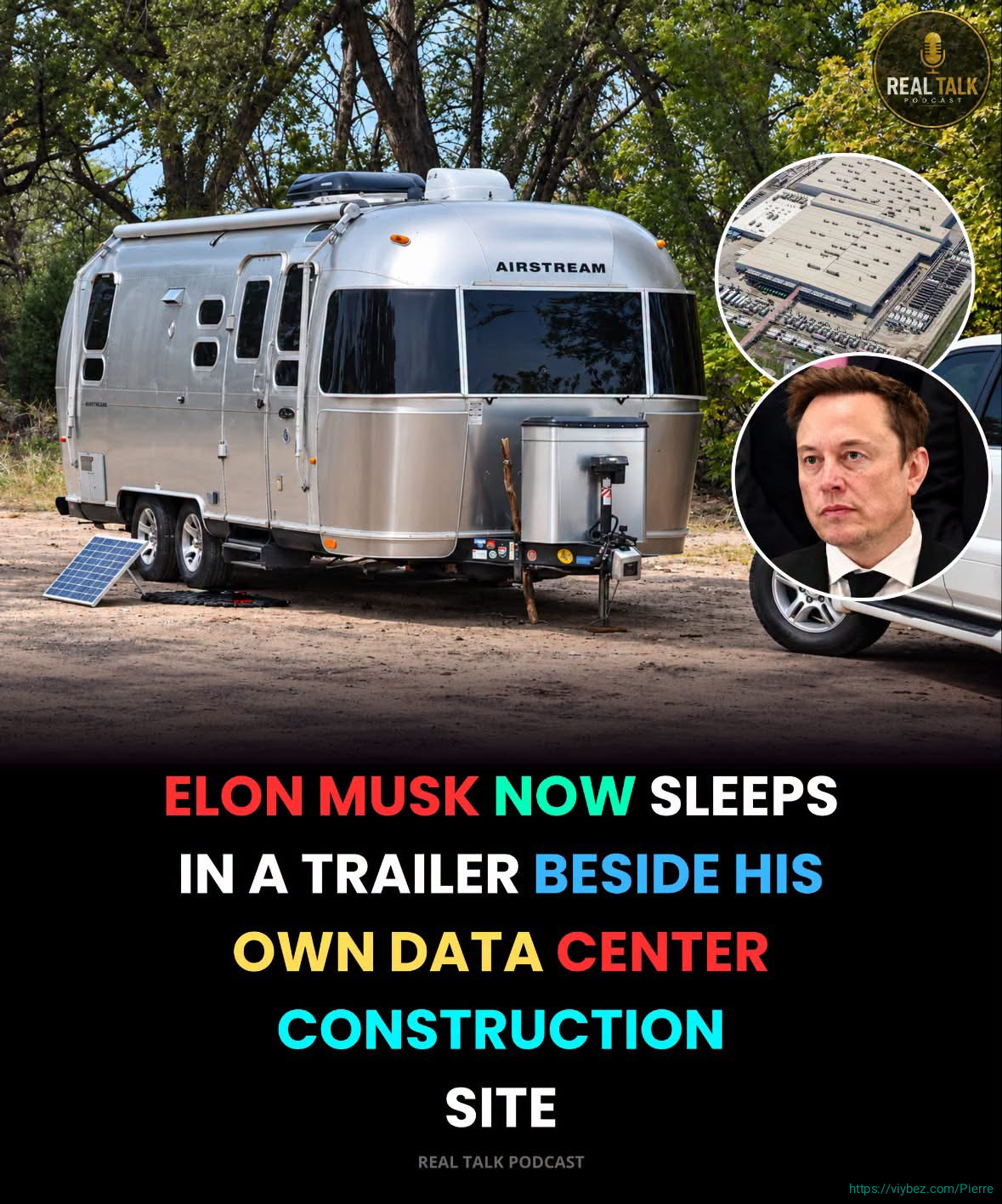
Elon Musk Says He Is Staying in an Airstream Trailer During Memphis AI Buildout

Elon Musk said he was living in an Airstream trailer in Memphis, Tennessee, while overseeing an expansion of his AI computing infrastructure. During a September 2026 appearance at the All-In Summit, he jokingly described the trailer as his “palace.” SpaceX President Gwynne Shotwell, appearing alongside him, said he was in Memphis helping build facilities and described staying close to work as a familiar habit for him. Reporting linked the arrangement to the expanding data-center operations behind xAI, whose Grok chatbot requires substantial computing capacity. The account describes a temporary work arrangement based on Musk’s own remarks, rather than evidence that he has permanently abandoned other homes. The interesting detail is straightforward: he chose a trailer as his base while closely following a major construction project.

(Sources: Business Insider, Fortune via Yahoo Finance) #ElonMusk
Thanks for the tip
Michael Loria
Offline
week ago
Copy Post URL
Open in a new tab
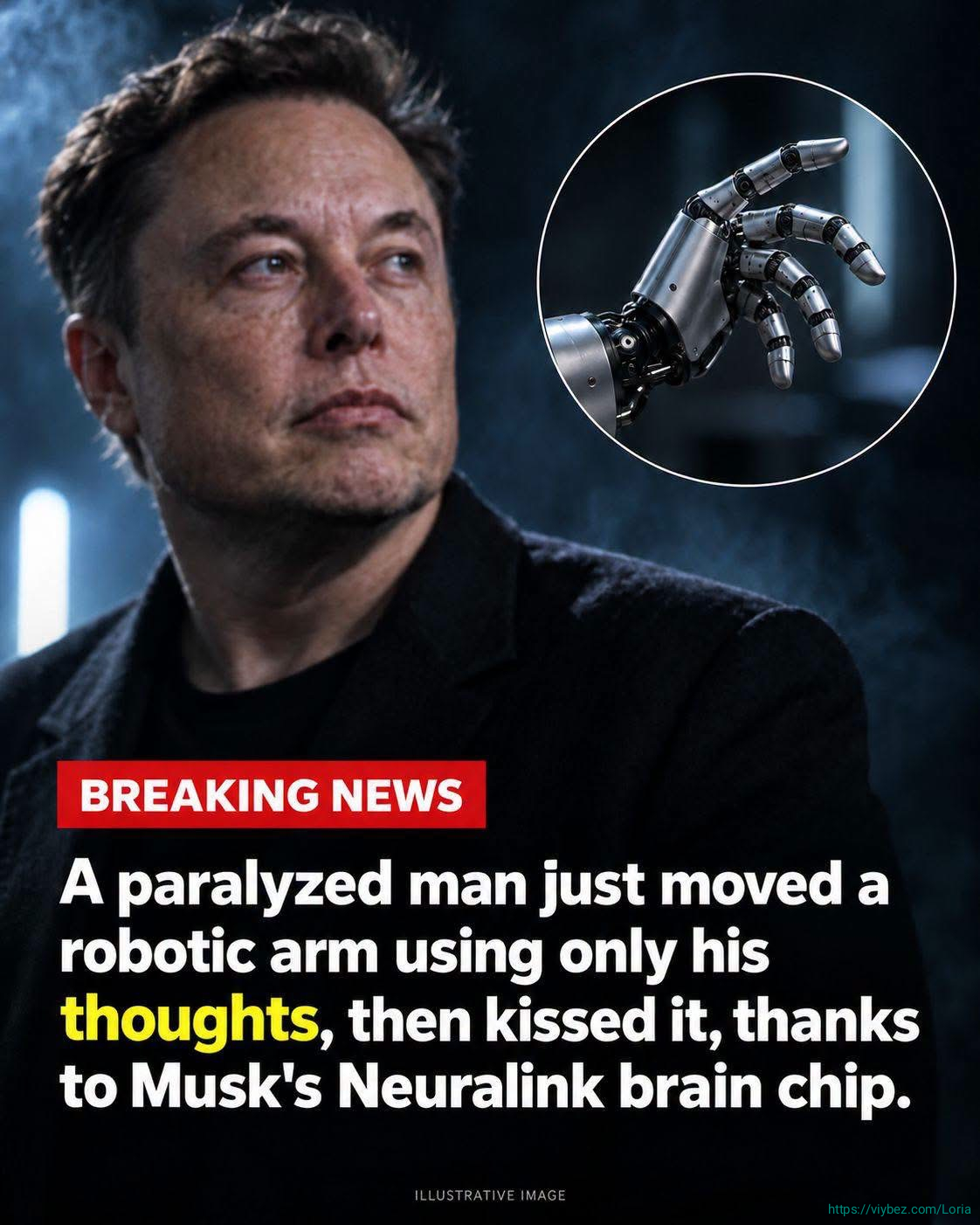
A paralyzed man just moved a robotic arm using only his mind.
And then he kissed it.
Rocky Stoutenburgh was paralyzed in 2006.
He has Elon Musk's Neuralink brain chip.
In a new video posted on X, he guides a robotic arm toward his face with pure thought.
Neuralink says its trial patients have moved beyond computer control.
They can now operate physical devices like assistive robotic arms.
The company plans to add even more compatible devices next.
Twelve people have received the implant since January 2024.
Patients include people with spinal cord injuries and ALS.
The first volunteer used the chip to play video games and chess.
Musk says more than 10,000 people have joined Neuralink's patient registry.
The device is still in clinical trials.
But moments like this show where it is heading. #Elonmusk
Thanks for the tip
Jiro Takeshi
Offline
2 weeks ago
Copy Post URL
Open in a new tab
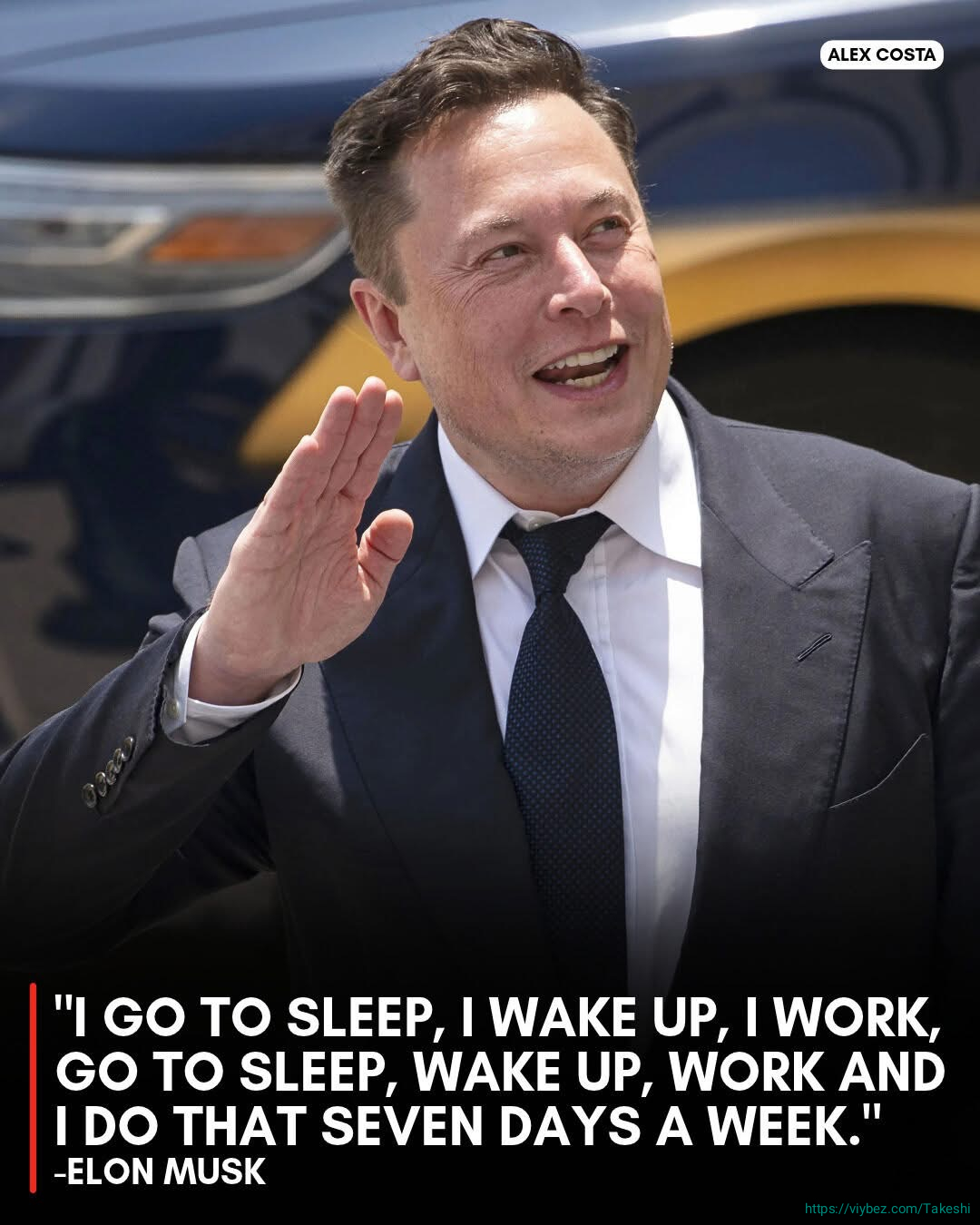
Elon Musk has described an intense work routine, saying that his days often revolve around working, sleeping, and starting again, seven days a week. His comments offer a glimpse into the demanding schedule associated with leading major companies across technology, electric vehicles, and aerospace. Supporters may see that level of commitment as part of his approach to building ambitious businesses, while others question the long-term sustainability of working without regular breaks. Productivity can mean different things to different people, and a schedule that works for one person may not suit another. Musk's statement raises a familiar question about modern work culture: how much should people sacrifice in pursuit of ambitious goals?

#ElonMusk
Jiro Takeshi
Offline
2 weeks ago
Copy Post URL
Open in a new tab
Elon Musk reveals Grok Bot is experiencing the fastest product growth he has ever witnessed. #Elonmusk
George Lerekum
Offline
2 weeks ago
Copy Post URL
Open in a new tab
Elon Musk declares money will become irrelevant by 2035, predicting future currency will be measured in “wattage and tonnage.” #Elonmusk
Pamela Wanja Kavengi
Offline
2 weeks ago
Copy Post URL
Open in a new tab
On Monday morning, Elon Musk posted on X that he plans to give one SpaceX share to every child in America in 2027. He said this is only the first of many.

There are about 72 to 73 million children under 18 in America. At about $150 per share, giving each child one share would cost around $10.5 billion to $11 billion.

Musk owns about 6.4 billion SpaceX shares. So, giving away one share to every child would be a little over 1% of his shares.

But he did not explain how the children would get their shares, who would manage the money, which children would qualify, or when in 2027 it would happen.

The price of one share can also change. SpaceX sold shares for $135 during its IPO in June. The price later rose to $225.64 before falling back to around $150.

Musk is not the first SpaceX leader to make a promise like this. Company president Gwynne Shotwell and her husband had already promised shares to help more than two million children, mainly from families with less money.

Musk says this is just the beginning of many more share giveaways.

#Elonmusk
John Pierre
Offline
2 weeks ago
Copy Post URL
Open in a new tab
ELON MUSK: AI COULD MAKE WORK OPTIONAL WITHIN 20 YEARS — IS THE WORLD READY?

What if waking up every morning to go to work became a choice rather than a necessity? Elon Musk believes artificial intelligence and robots could bring humanity closer to that reality.

The future of work could look dramatically different over the next two decades, according to billionaire entrepreneur Elon Musk, who predicts that rapid advances in artificial intelligence (AI) and robotics could eventually make working optional for human beings.

Speaking at the US-Saudi Investment Forum in Washington, D.C., in November 2025, the Tesla and SpaceX CEO suggested that within the next 10 to 20 years, machines could produce so many goods and services that people would no longer need to work simply to survive.

“My prediction is that work will be optional,” Musk said, comparing future employment to playing sports or video games — activities people pursue because they enjoy them rather than because they have to.

A world where robots do the work

Musk’s vision is based on the idea that increasingly capable AI systems and robots will eventually perform much of the work currently done by humans.

From manufacturing and transportation to agriculture, healthcare and customer service, machines could take over an expanding range of tasks, potentially increasing productivity while reducing the cost of producing goods and delivering services.

In such a future, people might have greater freedom to pursue education, spend time with family, develop businesses, travel or engage in creative activities without being forced to earn a living through traditional employment.

Musk has also suggested that money could eventually become less relevant if technological progress makes goods and services widely available.

However, this remains a prediction, not an established outcome.

What happens to jobs?

While the prospect of a world with less compulsory work sounds attractive, it also raises serious questions about the millions of people whose livelihoods depend on employment.

If AI can write software, analyse information, create content, operate machinery and perform other professional tasks, businesses may need fewer workers in certain roles.

Some jobs could disappear, while others could change significantly or emerge in fields that do not yet exist.

For young people entering the workforce, the challenge may increasingly involve learning how to use AI, solve complex problems, think creatively and perform tasks that require human judgment and responsibility.

The transition could be particularly difficult if technological progress moves faster than education systems, labour markets and government policies can adapt.

But who will pay people if nobody works?

This is perhaps the biggest question surrounding Musk’s prediction.

Modern economies largely depend on people earning wages, buying products, paying taxes and supporting their families. If machines perform most productive work, society will need new ways to ensure that the benefits reach ordinary people.

Musk has previously discussed the idea of universal high income in an AI-driven future, but the practical details of how such a system would work remain unresolved.

Who would own the robots? Who would control the AI systems? Would the wealth generated by automation be shared widely, or would a small number of companies and individuals capture most of it?

Without answers to these questions, a future of extraordinary technological abundance could still leave many people struggling financially.

What does this mean for Africa and Kenya?

For countries such as Kenya, the AI revolution presents both opportunities and risks.

AI tools could help entrepreneurs build businesses with fewer resources, improve access to education, automate administrative work and create new opportunities in software development, digital services and other technology-driven industries.

For a startup such as Viybez, AI could also make it easier to research topics, create content, support users and develop new digital services without requiring a large workforce.

However, millions of people depend on agriculture, informal trade, transport, retail and other activities that provide daily income. If automation disrupts these sectors before alternative opportunities become available, the economic consequences could be significant.

Kenya and other African economies will therefore need to invest in digital skills, affordable internet, reliable electricity, entrepreneurship and policies that help people benefit from technological progress.

The real question: Will work become optional for everyone?

Musk’s prediction is an ambitious vision of a future in which technology produces abundance and people have greater control over how they spend their lives. #ElonMusk

Thanks for the tip
Balogun Okafor
Offline
3 weeks ago
Copy Post URL
Open in a new tab
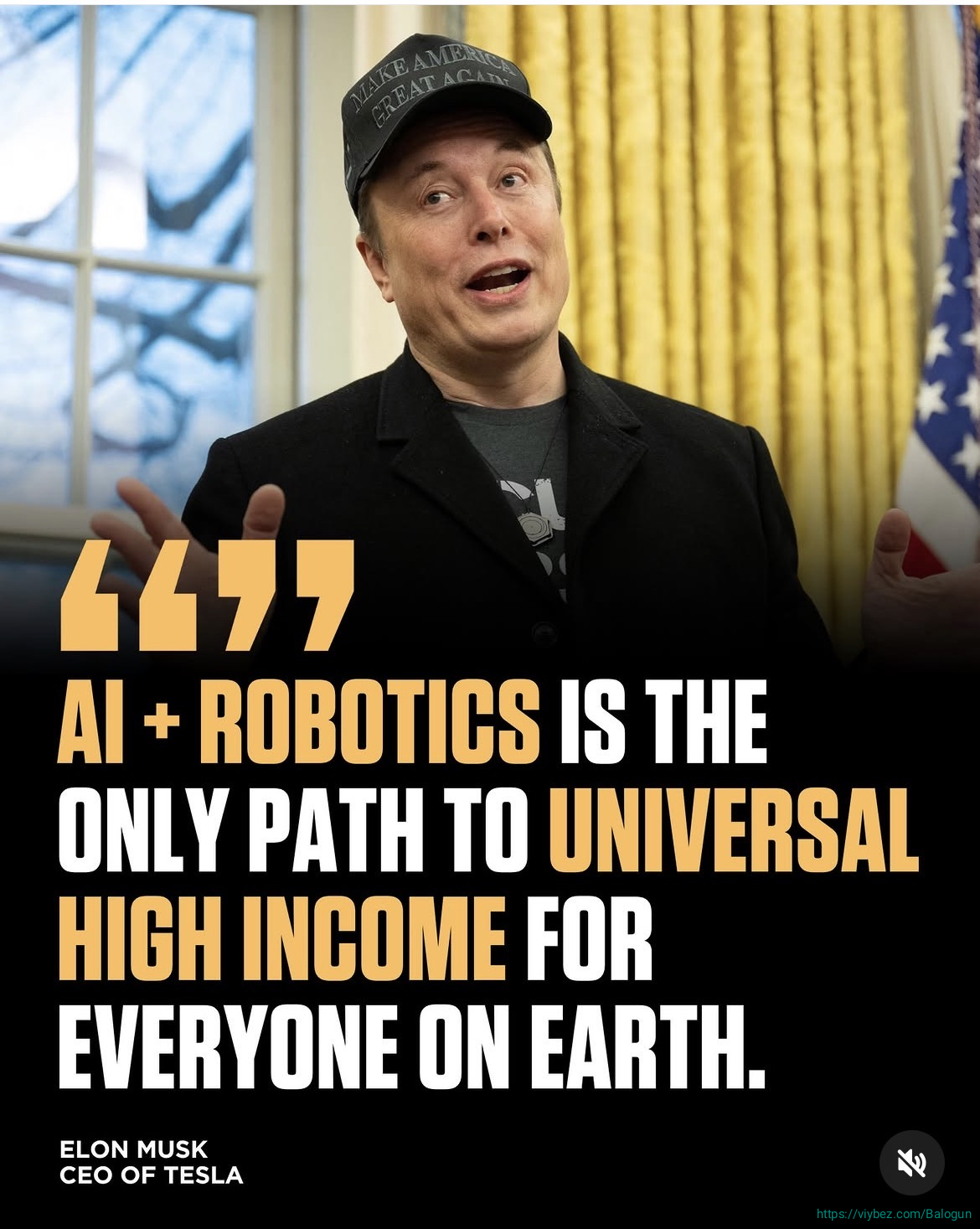
Elon Musk believes AI and robotics could eventually make today’s idea of universal basic income look small.
He has argued that if machines can produce enough goods and services at very low cost, society could reach what he calls “universal high income,” where work becomes optional for many people.
Musk has repeatedly tied this idea to increasingly capable AI and humanoid robots, although when or whether such an economy could actually emerge remains uncertain. #Technology #ElonMusk
Thanks for the tip
Michael Loria
Offline
3 weeks ago
Copy Post URL
Open in a new tab
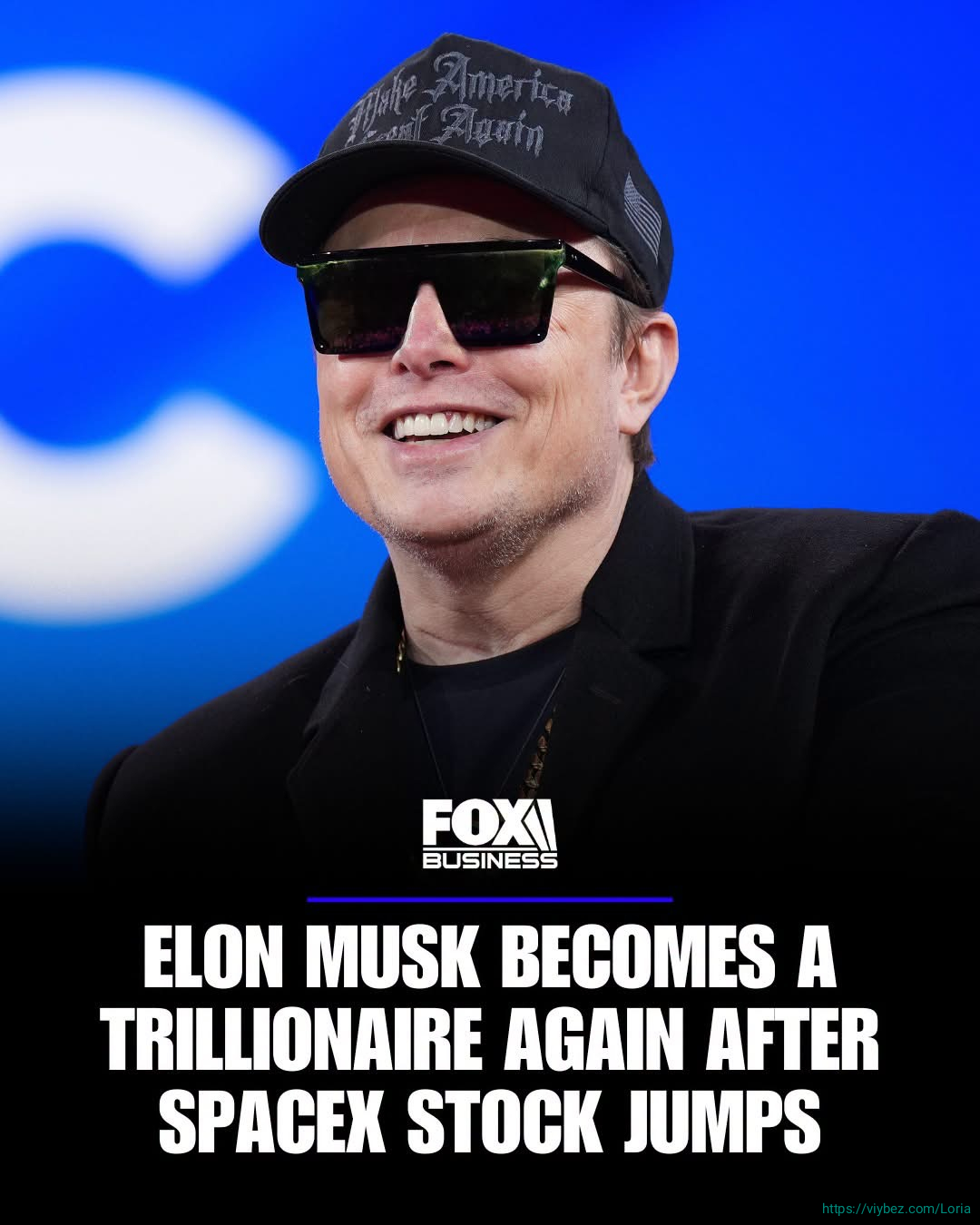
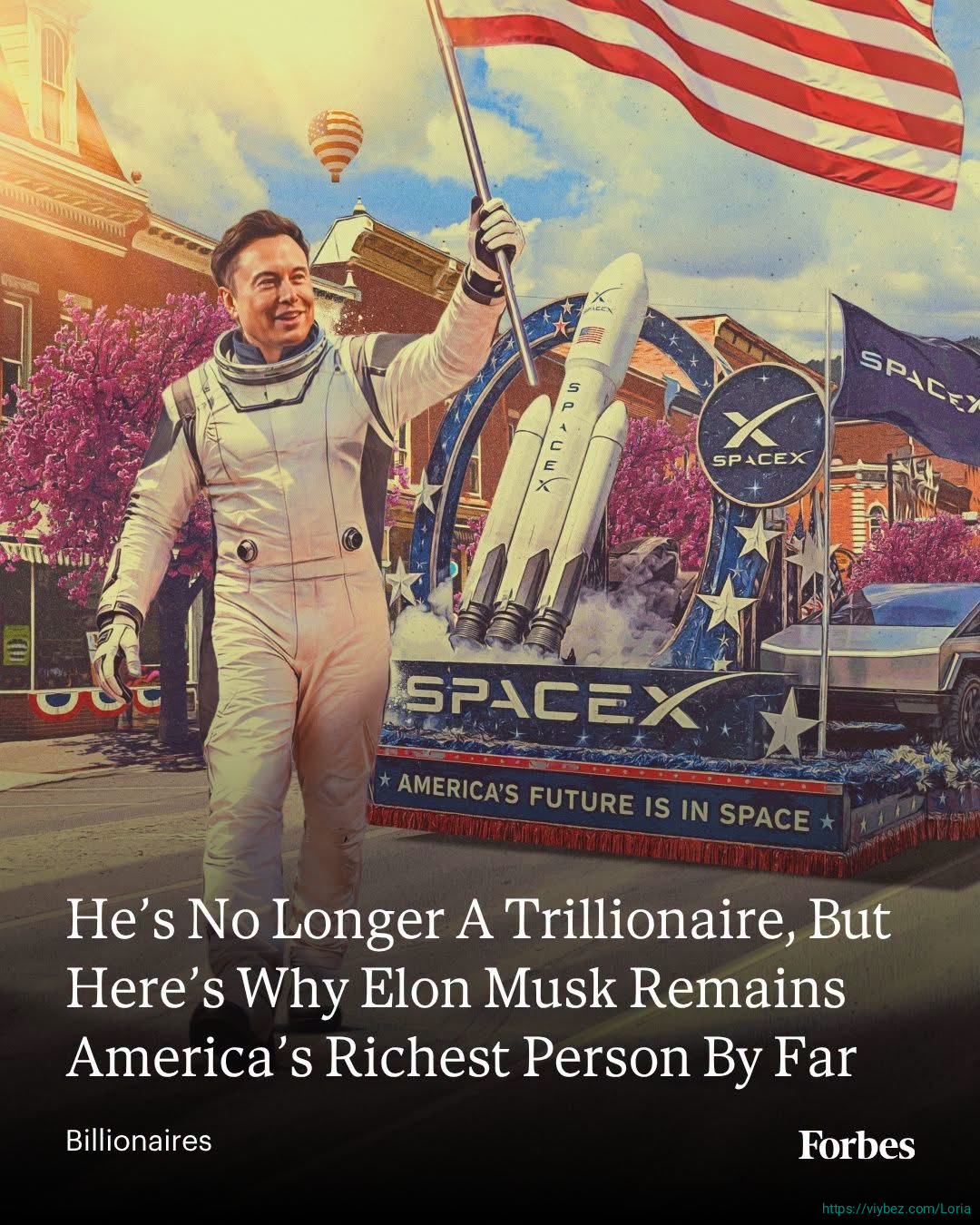
Elon Musk is officially back in the trillion-dollar club.

Forbes estimates Musk’s net worth hit $1 trillion Monday, jumping $30.6 billion since Friday and putting him far ahead of Jeff Bezos at $371.5 billion.

The surge comes as two of Musk’s biggest companies rally. Tesla shares climbed following stronger-than-expected third-quarter deliveries, while SpaceX jumped more than 5% Monday morning.

Musk first crossed the trillion-dollar threshold in June after SpaceX began trading publicly, only to fall back below it days later. #ElonMusk
Thanks for the tip
Hong Nhung
Offline
a month ago
Copy Post URL
Open in a new tab
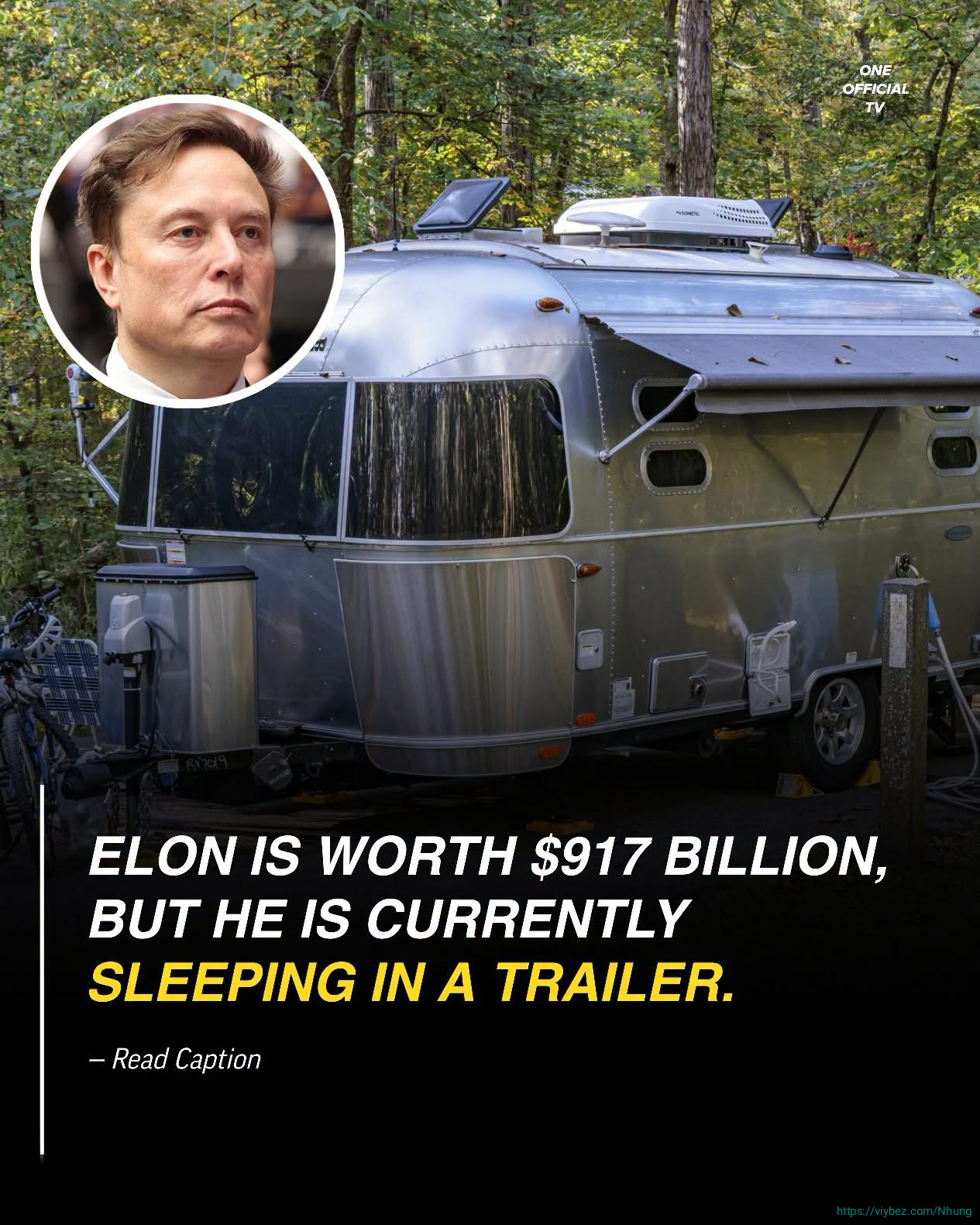
Elon Musk is worth hundreds of billions of dollars.

Yet he is sleeping in an Airstream trailer in Memphis while staying close to one of his biggest AI projects.

And this is not the first time he has chosen work over comfort.

In the 1990s, while building Zip2, he slept in the office for six months and showered at the YMCA.

After Zip2 was sold for $22 million, he reportedly went back to sleeping under his desk while building X.

Years later, when Tesla was having trouble making enough cars, he slept at the factory.

After buying Twitter, he also slept at the company’s office.

Now he is doing something similar again. But this time, his bed is inside a trailer.

But there is something else to understand.

Musk has owned expensive homes before, including a $17 million mansion in Bel Air.

He has also sold many of his homes and moved into much simpler places.

So this is not about what he can afford.

It is about what he chooses to stay close to.

Elon Musk have enough money to live almost anywhere, but still choose to stay close to the things that give his life meaning.

#Elonmusk
Thanks for the tip
Michael Loria
Offline
a month ago
Copy Post URL
Open in a new tab
Elon Musk more than doubled his fortune over the past 12 months to rank No. 1 on the annual #Forbes400 list of America’s richest people for the fifth straight year, worth an estimated $908 billion. But the ride was anything but smooth for the SpaceX and Tesla chief, who briefly became the world’s first trillionaire (and saw his fortune top out at $1.3 trillion) after his rocketmaker went public in June. #ElonMusk #USA