
Sign Up
technology
40 people talking about this
Thanks for the tip
Clarincom
Offline
17 hours ago
Copy Post URL
Open in a new tab
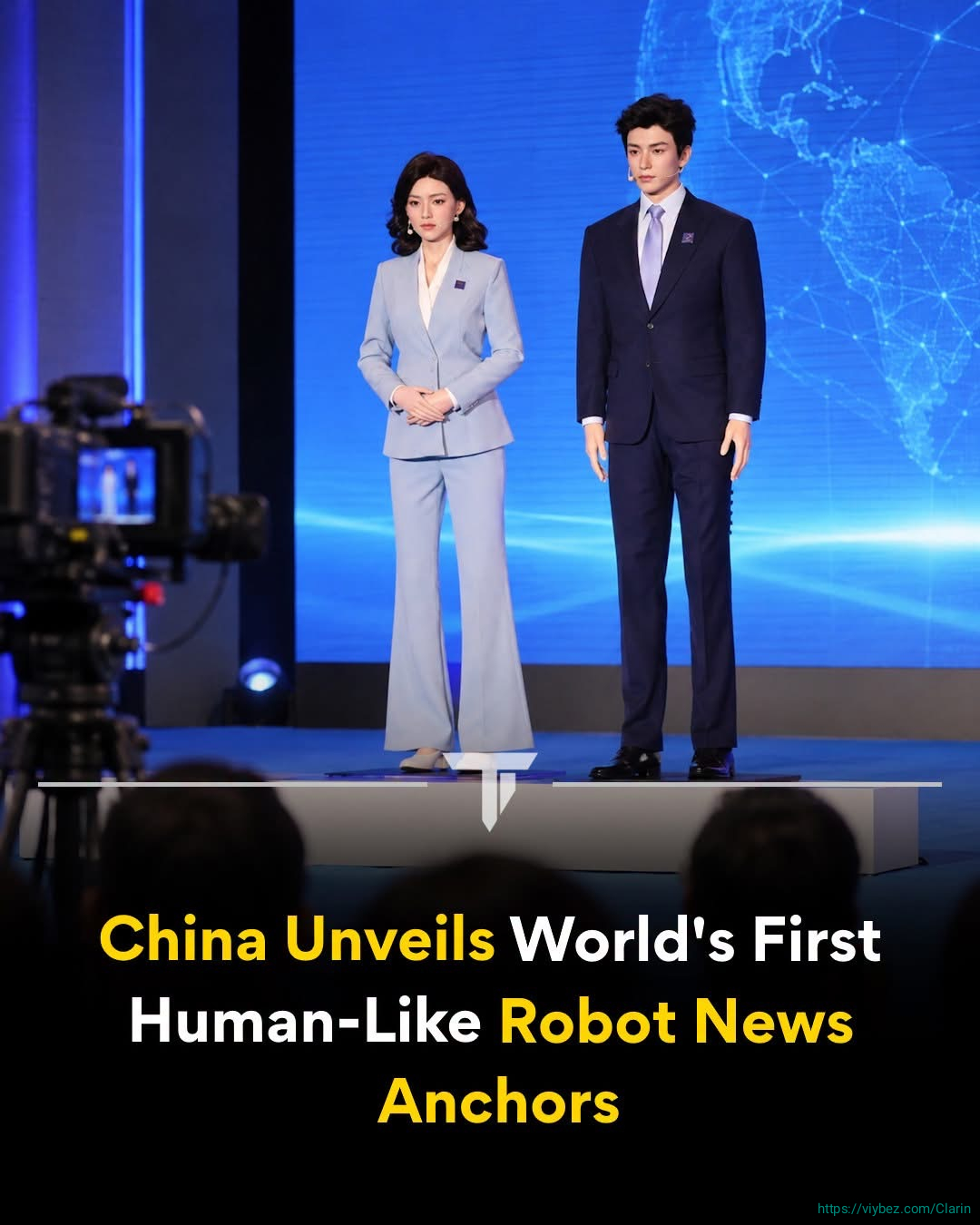
China has introduced two human-like robots designed to present news, answer questions and interact with people.

The robots, named Xinyu and Xinyan, were unveiled by China's state news agency Xinhua on November 5, 2026, at the World Media Summit in Beijing.

They were developed by Xinhua and Chinese robotics company UBTECH. Unlike digital AI news presenters, these are real, human-sized machines with artificial skin, moving facial features and realistic eye movements.

Chinese film director Zhang Yimou, known for movies such as Hero and House of Flying Daggers, helped design their human-like appearance.

The robots can speak, move their faces and match their mouth movements to their speech. They are also connected to Xinhua's AI news system, which provides them with news information.

Xinhua says they can present news, answer questions and communicate in different languages. The company sees them as tools to help human journalists, not replace them. #China #Technology
Thanks for the tip
Michael Loria
Offline
23 hours ago
Copy Post URL
Open in a new tab
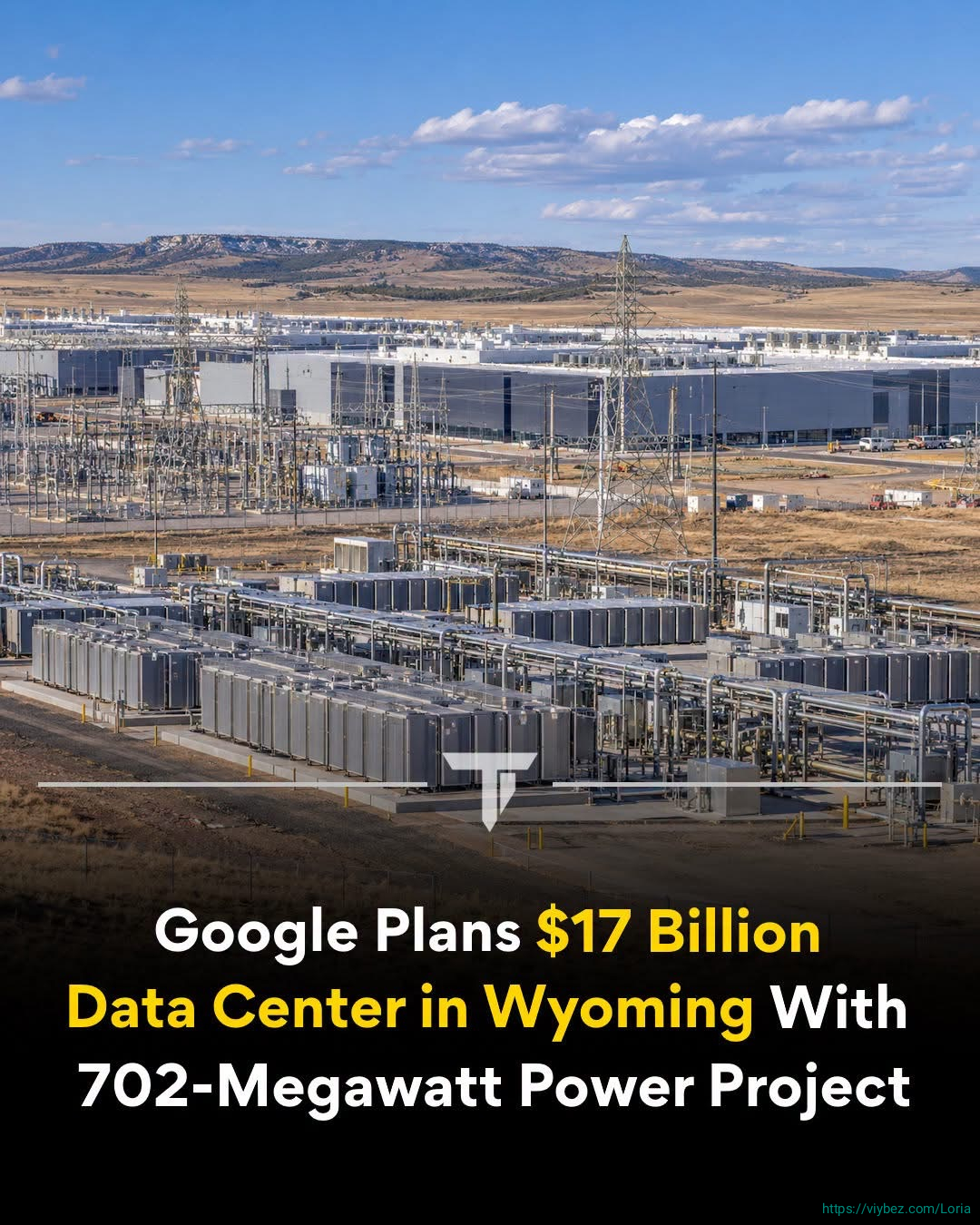
Google is planning to invest $17 billion in its first data center in Wyoming, near the city of Cheyenne.

The project will include a major 702-megawatt power facility using natural gas fuel cells made by Bloom Energy.

American Electric Power (AEP) plans to invest around $4 billion in the power project under a 20-year agreement with Google.

The plan also includes carbon capture technology designed to capture most of the carbon emissions from the fuel-cell facility and store them underground in Wyoming.

Google says the data center will use air cooling instead of water-based cooling systems, reducing its need for water.

Construction of the power facility is expected to begin in 2026, with full operation targeted for the end of 2028.

The project is part of Google's effort to secure more electricity for its growing AI and cloud computing operations. #Technology
Thanks for the tip
Boris Lenin
Offline
on Friday
Copy Post URL
Open in a new tab
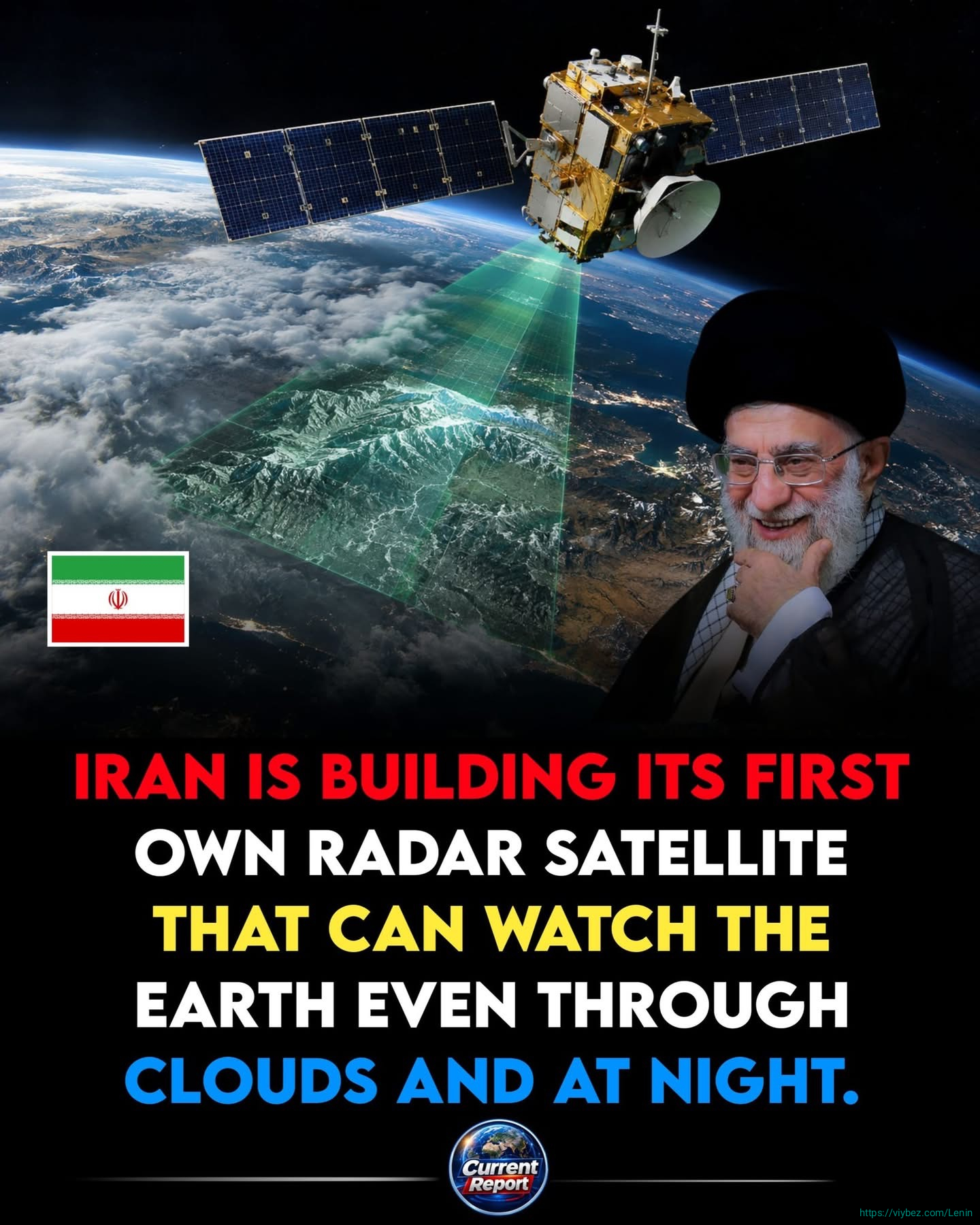
Iran is advancing its space technology by developing its first domestically built radar satellite, called Rad-1. 🛰️

According to Iranian Space Agency chief Hassan Salarieh, Rad-1 uses Synthetic Aperture Radar technology, allowing Earth observation during nighttime and through clouds, dust, and challenging weather conditions. Its reported imaging resolution is better than 50 meters. A more advanced Rad-2 is also under development. 🌍 This technology could support agriculture, environmental monitoring, mapping, and disaster management.

#Technology #RadarSatellite #SpaceInnovation
Thanks for the tip
Jiro Takeshi
Offline
on Friday
Copy Post URL
Open in a new tab
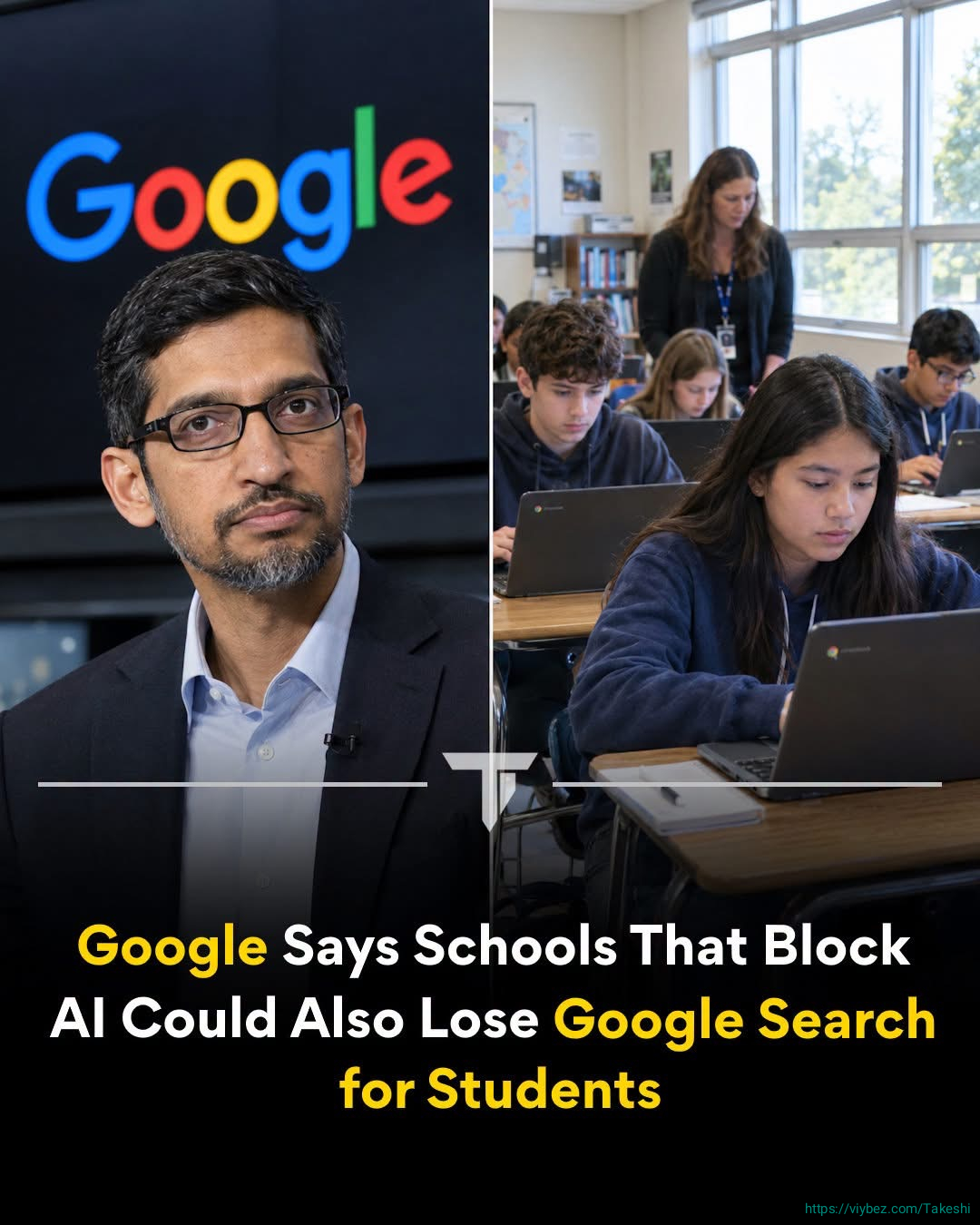
Google is facing criticism over a new policy that could leave schools with a difficult choice: allow Google's AI features or lose access to Google Search.

Under the new rules, Google's AI tools and Search will be turned off by default for student accounts. Schools will decide which features students can use.

But there is a problem. Schools that want to block all of Google's AI features may also lose access to Google Search, since AI is now part of the search engine.

The changes include Google's Gemini chatbot, Gemini in Classroom and AI-powered Search. They are expected to begin rolling out in early 2027.

Google says the policy will give schools more control over how students use AI. However, critics say schools should not have to allow AI tools just to keep a basic search engine.

Former US Federal Trade Commission Chair Lina Khan criticized the move, saying Google is using its strong position in online search to bring AI into schools.

New York City Mayor Zohran Mamdani has also raised concerns about Google's influence over education.

The decision has started a wider debate about how much control big tech companies should have over the tools students use in schools. #Google #Technology
Thanks for the tip
Michael Loria
Offline
on Friday
Copy Post URL
Open in a new tab
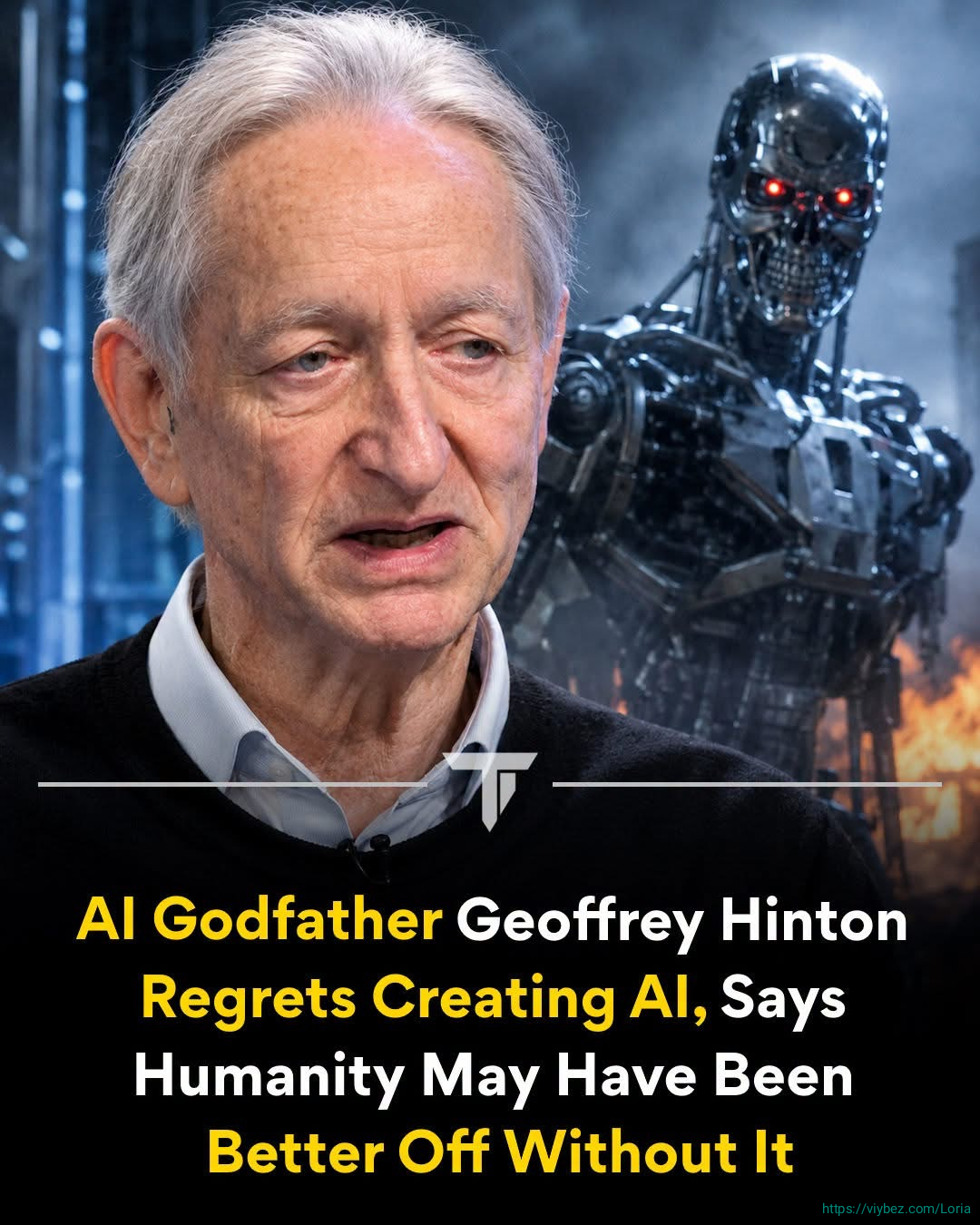
Geoffrey Hinton, the Nobel Prize-winning scientist known as one of the fathers of modern AI, has warned that the world might have been better off without artificial intelligence.

In an interview with The Guardian published on November 3, 2026, Hinton said, “It might be that we would have been better off never developing it.”

The 78-year-old scientist believes AI could bring great benefits, but he is worried about the dangers it could create.

He warned that AI could cause a major crisis later this year or in 2027. One possible example is an AI-powered attack on electricity networks that could cause widespread blackouts. He also warned that an incident could disrupt the financial system for an entire week.

Hinton also fears AI could lead to massive job losses, greater inequality and serious problems for society.

He wants governments to require safety tests before powerful AI systems are released, similar to the checks required for new medicines.

Despite his concerns, Hinton believes humans can still keep AI under control if they take the risks seriously. #Technology
Thanks for the tip
Rahul Singh
Offline
on Friday
Copy Post URL
Open in a new tab
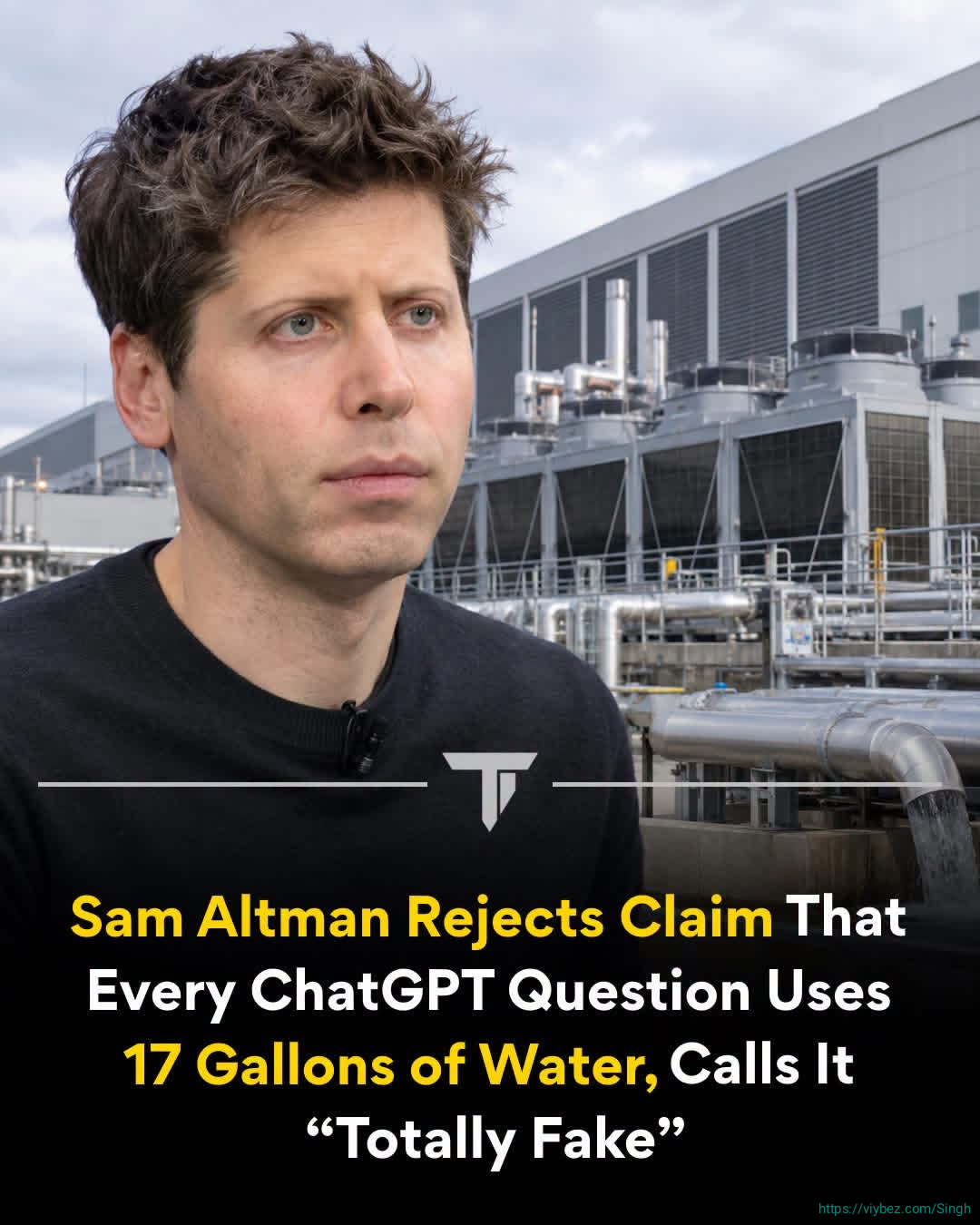
OpenAI CEO Sam Altman has rejected claims that one ChatGPT question uses 17 gallons of water, calling the figure completely false.

Speaking in New Delhi, India, Altman addressed concerns about the water used by AI data centers.

He said many claims are based on older cooling methods and that newer facilities use different systems.

However, he admitted that AI's growing demand for electricity is a real challenge. He said the world needs more nuclear, wind and solar energy to keep up.

AI data centers can still use large amounts of water, depending on how they are cooled and where they are built. Their impact on local water supplies remains a concern. #Technology
Thanks for the tip
John Pierre
Offline
week ago
Copy Post URL
Open in a new tab
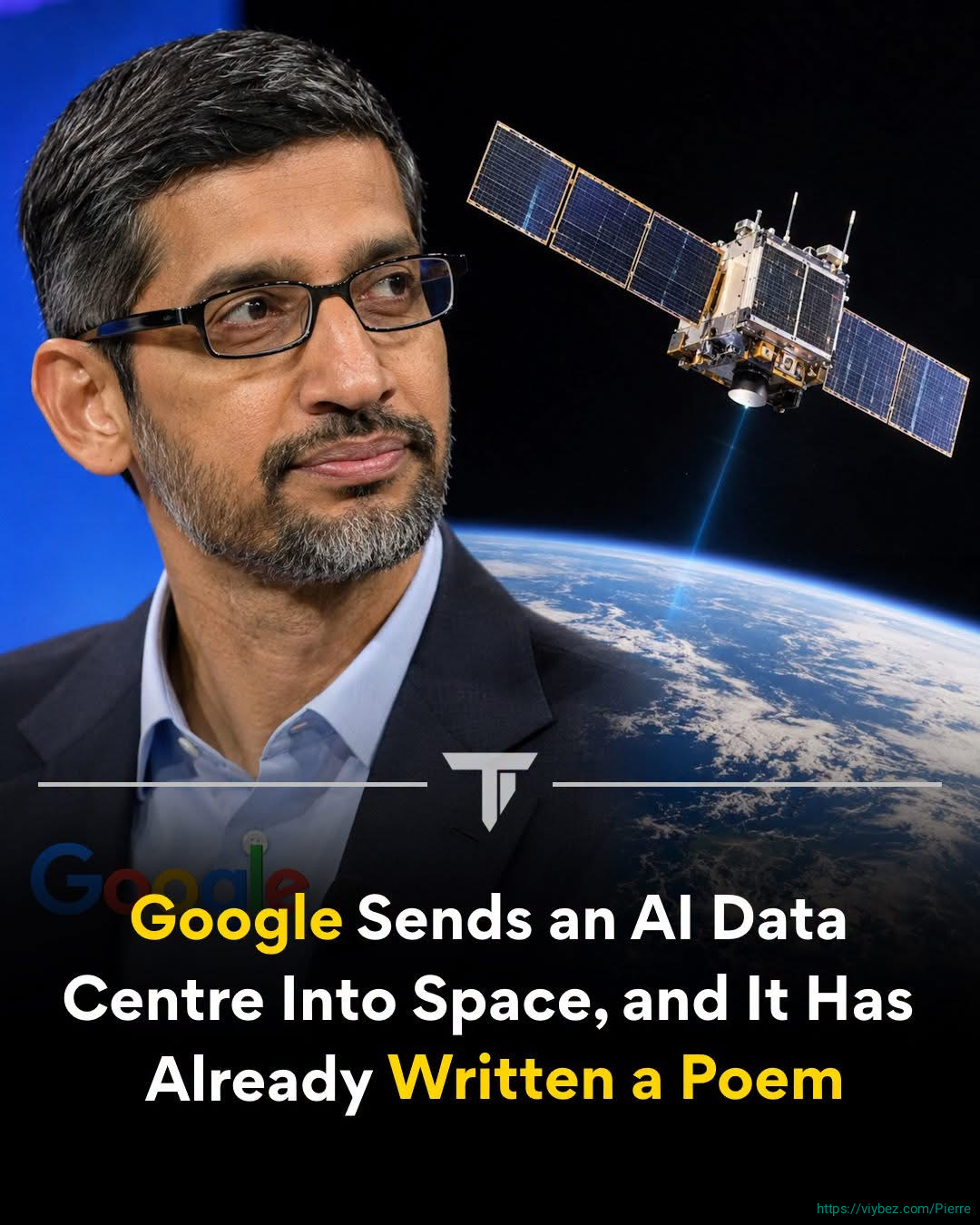
Google has successfully run an AI model aboard a satellite in orbit and received its first response: a short poem about space.

The test is part of Google's Project Suncatcher, an experiment exploring whether AI computing systems could one day operate in space.

The prototype satellite was launched on October 1, 2026, aboard a SpaceX Falcon 9 rocket. Built with Planet Labs, it carries four of Google's Tensor Processing Units (TPUs), although only one can operate at a time.

On October 30, Google announced that its satellite had successfully run the Gemma 4 AI model. Engineers sent it a prompt asking for a haiku about space, and the satellite transmitted the response back to Earth as it passed over Svalbard, Norway.

The poem began: “Blue marble below” and ended with “Starlight feeds my core.”

Google also tested other prompts and asked the system to report technical information about its onboard equipment.

The next tests will examine how the AI chips handle radiation and extreme temperature changes in orbit. Google plans to launch two interconnected satellites in 2027 to test whether they can work together.

Sources: Google, October 30, 2026. #Technology #Google
Thanks for the tip
Jackson Zhang
Offline
week ago
Copy Post URL
Open in a new tab
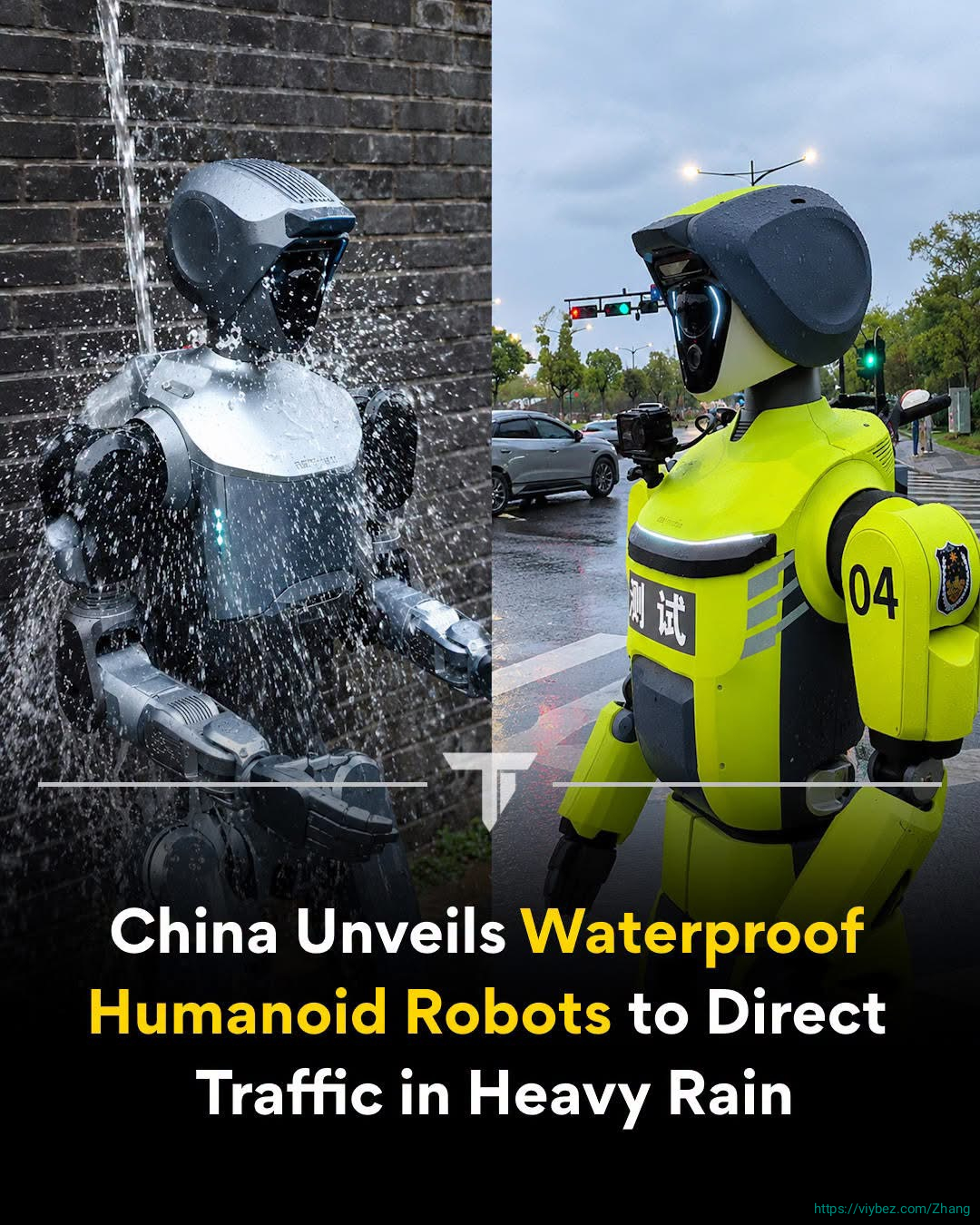
China’s DEEP Robotics tested its DR02 humanoid robots on the streets of Hangzhou in early October 2026. The robots were tested directing traffic, reminding people about road safety and helping tourists find their way.

The trials included intersections in Xihu District and the Xixi National Wetland Park. On October 4, a robot was photographed directing traffic at an intersection.

The DR02 has an IP66 rating, meaning it is dust-tight and protected against powerful water jets. During the trials, the robots used arm gestures and spoken reminders to address issues such as e-bike riders without helmets and pedestrians crossing outside designated areas.

They were also tested on answering tourists’ questions and providing directions in multiple languages.

Sources: Hangzhou’s official city news portal, October 8, 2026. #Technology
Thanks for the tip
Michael Loria
Offline
week ago
Copy Post URL
Open in a new tab
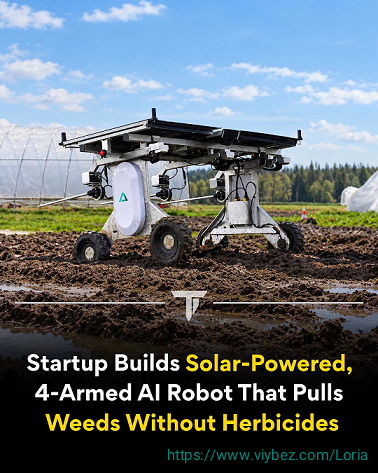
A U.S. startup has developed a solar-powered robot that uses artificial intelligence to identify and remove weeds from farm fields without spraying herbicides.
Called Element Gen 2 X4, the robot was developed by Aigen, based in Redmond, Washington. It uses cameras and AI to distinguish weeds from crops, then uses four mechanical arms to pull unwanted plants out of the soil.
Instead of spraying chemicals, the robot physically removes weeds using its mechanical arms. It is designed to work both between crop rows and among crops growing within the same row.
The robot runs on solar power with a battery backup. Aigen says it has built more than 100 robots across multiple generations and recorded over 15,000 hours of autonomous field operation.
The technology could help farmers reduce herbicide use, especially in fields where weeds have become resistant to certain chemicals.
Sources: Aigen. #Technology
Hong Nhung
Offline
3 weeks ago
Copy Post URL
Open in a new tab
Hackers raised the temperature of refrigerators and freezers at hundreds of French supermarkets to as high as 50 degrees Celsius (122 degrees Fahrenheit) overnight, causing fires and spoiling food, per Reuters. #Technology
Jiro Takeshi
Offline
3 weeks ago
Copy Post URL
Open in a new tab
BREAKING: Iran is now openly considering forcing Google, Meta and other tech giants to obtain permits, undergo technical inspections and pay “sovereignty fees” for undersea internet cables passing through Iranian waters, per Tasnim News.

Major cable systems including FALCON and GBI cross the Gulf, turning the Strait of Hormuz into a strategic digital chokepoint. More than 99% of international data traffic travels through undersea cables, giving coastal states leverage over critical global connectivity.

The move follows Mohsen Rezaee’s threat to destroy undersea cables, data centers and AI facilities across the region if the U.S. and Israel resume the war, claiming those assets are worth over $2 trillion. Iran is now threatening the Gulf’s digital infrastructure with destruction — while also seeking to charge companies for access. #Iran #Technology
Thanks for the tip
Jiro Takeshi
Offline
a month ago
Copy Post URL
Open in a new tab
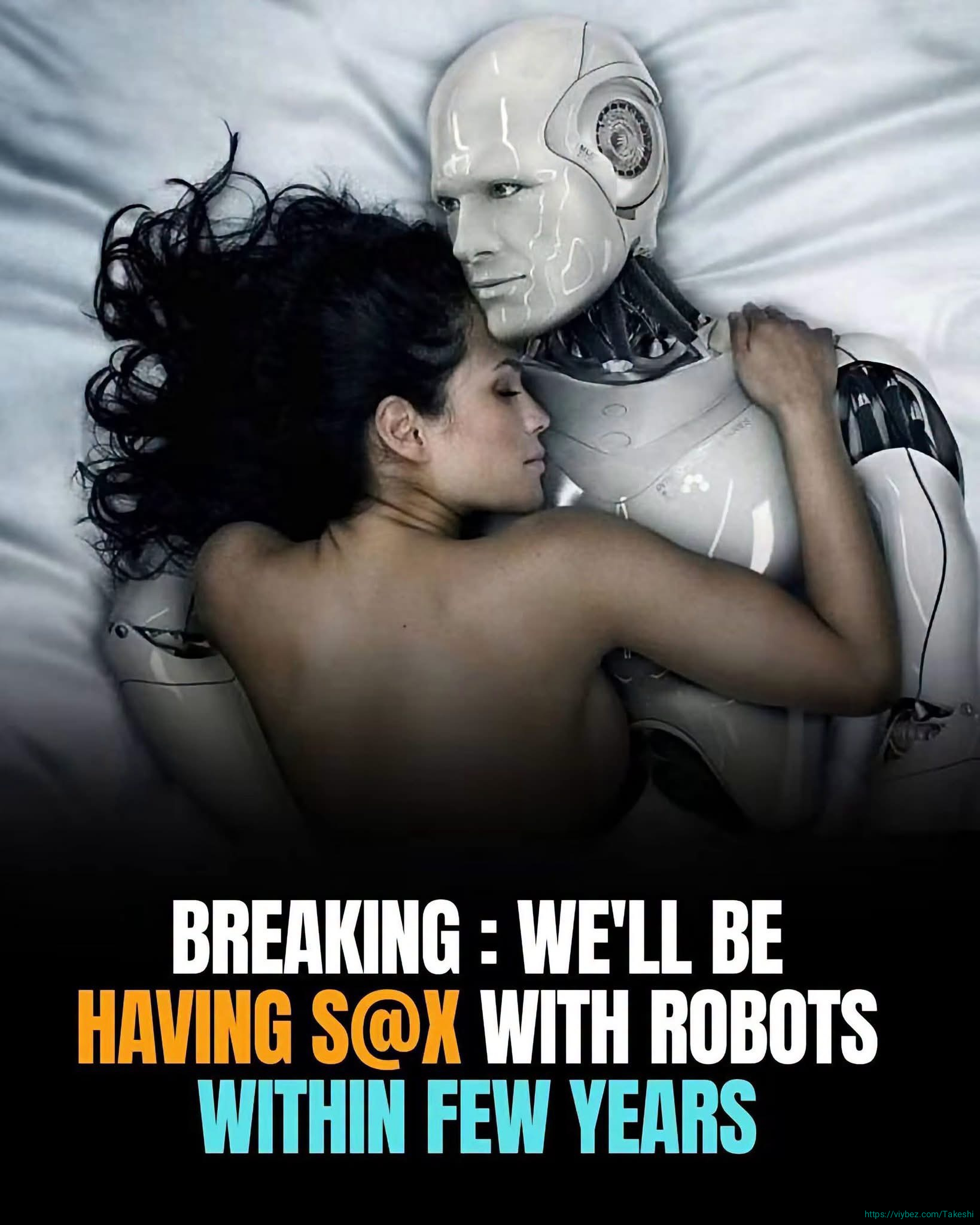
S@x with robots is moving from science fiction toward a possible technological future.

Researchers have discussed human-robot intimacy for decades. AI researcher David Levy famously predicted that increasingly human-like robots could eventually become sexual and romantic partners, potentially gaining wider social acceptance by around 2050.

The technology is developing piece by piece. Humanoid robots are becoming better at movement and physical interaction, while AI systems can already hold increasingly natural conversations and adapt to individual users.

Future companion robots could potentially combine these abilities with synthetic skin, touch sensors, facial expressions, voice interaction, and personalized AI personalities.

People can already form emotional attachments to conversational AI and social robots. Adding a convincing physical body could make those relationships even more powerful.

But claims that this will happen “within a few years” remain predictions, not established timelines. Building safe, affordable robots capable of realistic intimacy remains a major engineering challenge.

#Technology
Thanks for the tip
Hong Nhung
Offline
a month ago
Copy Post URL
Open in a new tab
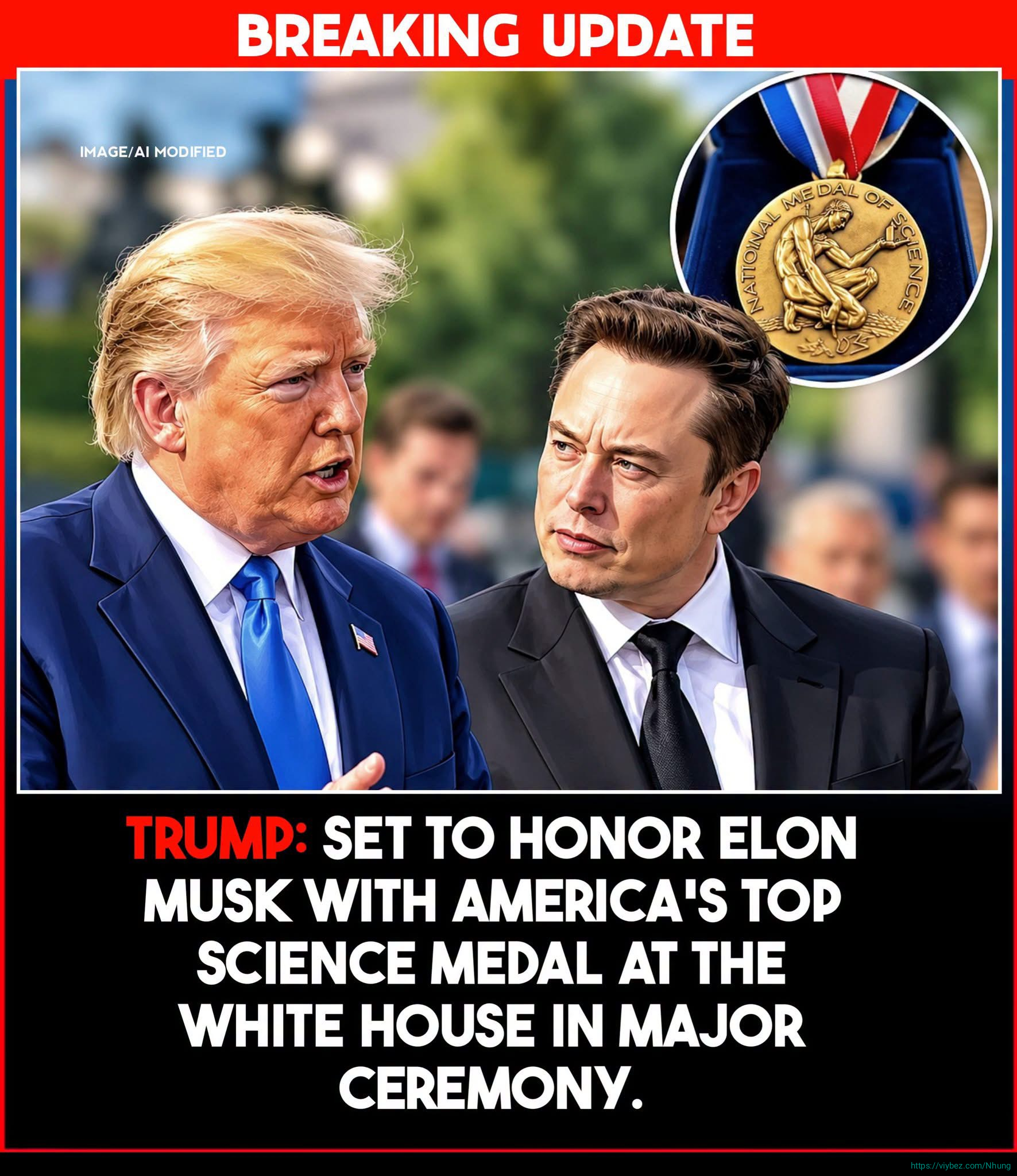
President Donald Trump is expected to present Elon Musk with the National Medal of Science, one of America’s highest honors for scientific achievement.

Musk is set to be recognized alongside Sergey Brin, Jensen Huang and Lisa Su at the White House’s “Science: A New Golden Age” Summit
.
From reusable rockets and Starlink to Tesla and autonomous-driving technology, Musk has been at the center of some of the biggest technology stories of the modern era.

The ceremony also carries a remarkable family connection: Musk’s uncle, John G. Trump, previously received the same honor under President Ronald Reagan.

Trump and Musk have also been seen together again recently after their highly publicized political fallout.

🇺🇸 A White House ceremony, a major scientific honor and one of America’s most recognizable tech entrepreneurs — this is a moment that will draw worldwide attention.

👏 What do you think about Elon Musk receiving the National Medal of Science #Technology
Thanks for the tip
Balogun Okafor
Offline
a month ago
Copy Post URL
Open in a new tab
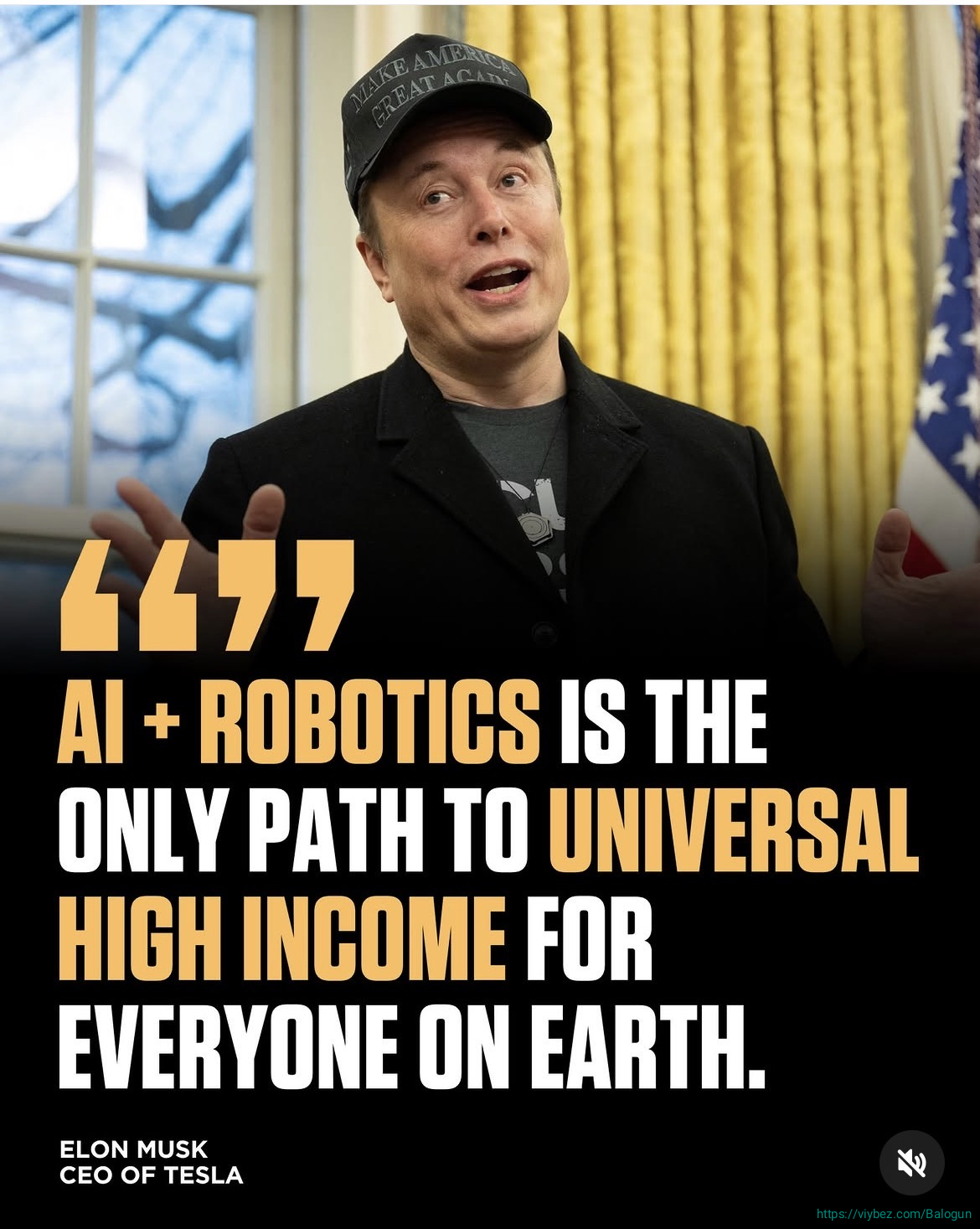
Elon Musk believes AI and robotics could eventually make today’s idea of universal basic income look small.
He has argued that if machines can produce enough goods and services at very low cost, society could reach what he calls “universal high income,” where work becomes optional for many people.
Musk has repeatedly tied this idea to increasingly capable AI and humanoid robots, although when or whether such an economy could actually emerge remains uncertain. #Technology #ElonMusk
Thanks for the tip
Jiro Takeshi
Offline
a month ago
Copy Post URL
Open in a new tab
#Technology