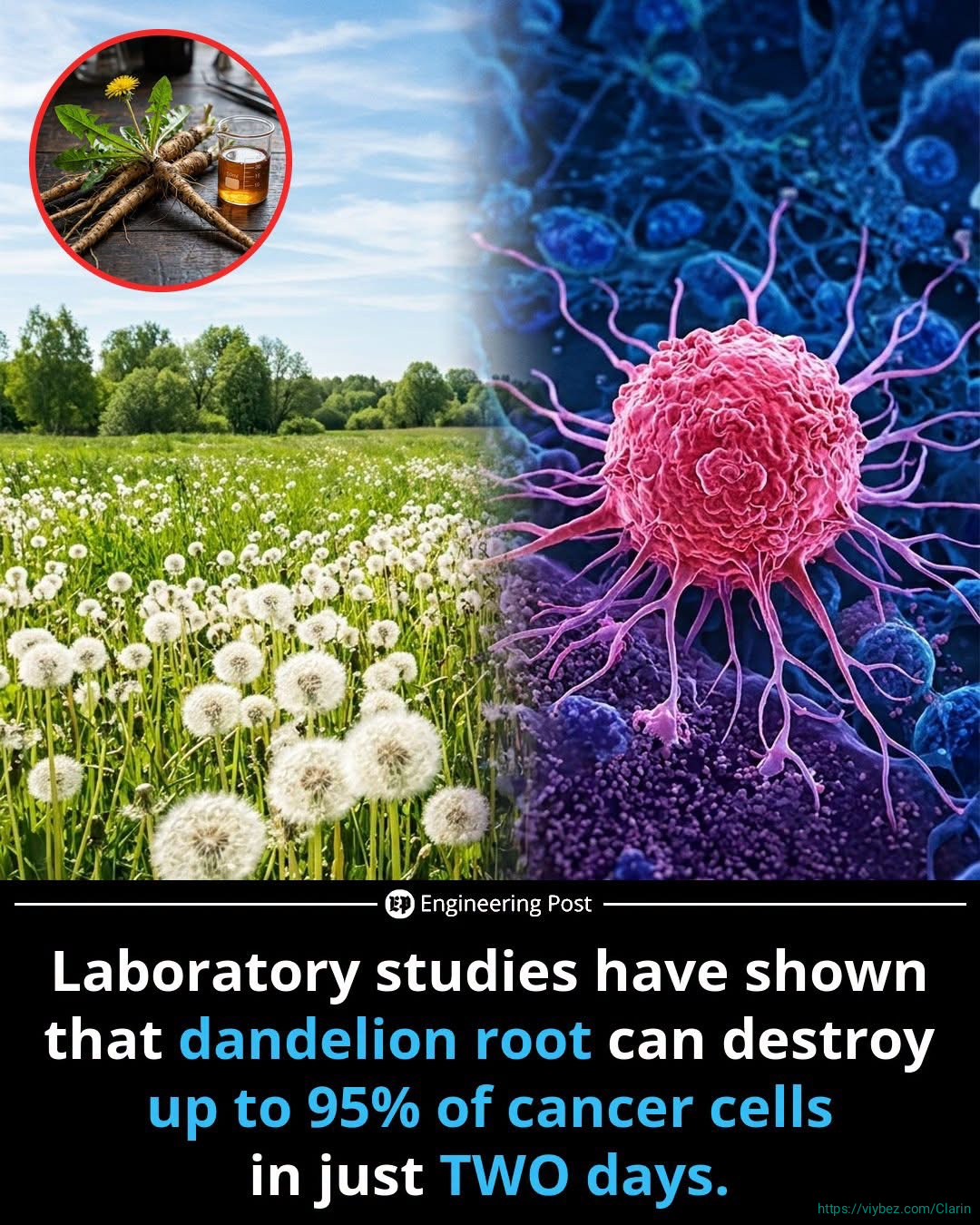

The weed you've been pulling out of your lawn has caught the attention of cancer researchers.
At the University of Windsor in Canada, biochemist Dr. Siyaram Pandey and his team tested a water-based extract of dandelion root on human cancer cells grown in the lab. In a 2016 study on colorectal cancer cells, the extract triggered programmed cell death (apoptosis) in more than 95% of the cells within about 48 hours — while largely sparing healthy cells grown alongside them. Similar effects were reported in lab tests on leukemia, melanoma and pancreatic cancer cells.
What makes it interesting is how it works: instead of hitting a single target like many drugs, the extract appears to activate several cell "self-destruct" pathways at once, which may make it harder for cancer cells to adapt and survive.
Important context: these results come from cell cultures and animal models, not from patients. Dandelion root is not a proven cancer treatment, and early human trials are still needed to show whether it is safe and effective. Anyone undergoing treatment should talk to their oncologist before taking any supplement.
Still, it's a powerful reminder that some of the most promising leads in medicine can come from the most ordinary places — even the cracks in your driveway.
#Science #CancerResearch #Biotech #MedicalResearch #Dandelion